Planet Earth Is Conscious—And Its ‘Mind’ Is Shaping the Fate of All Life
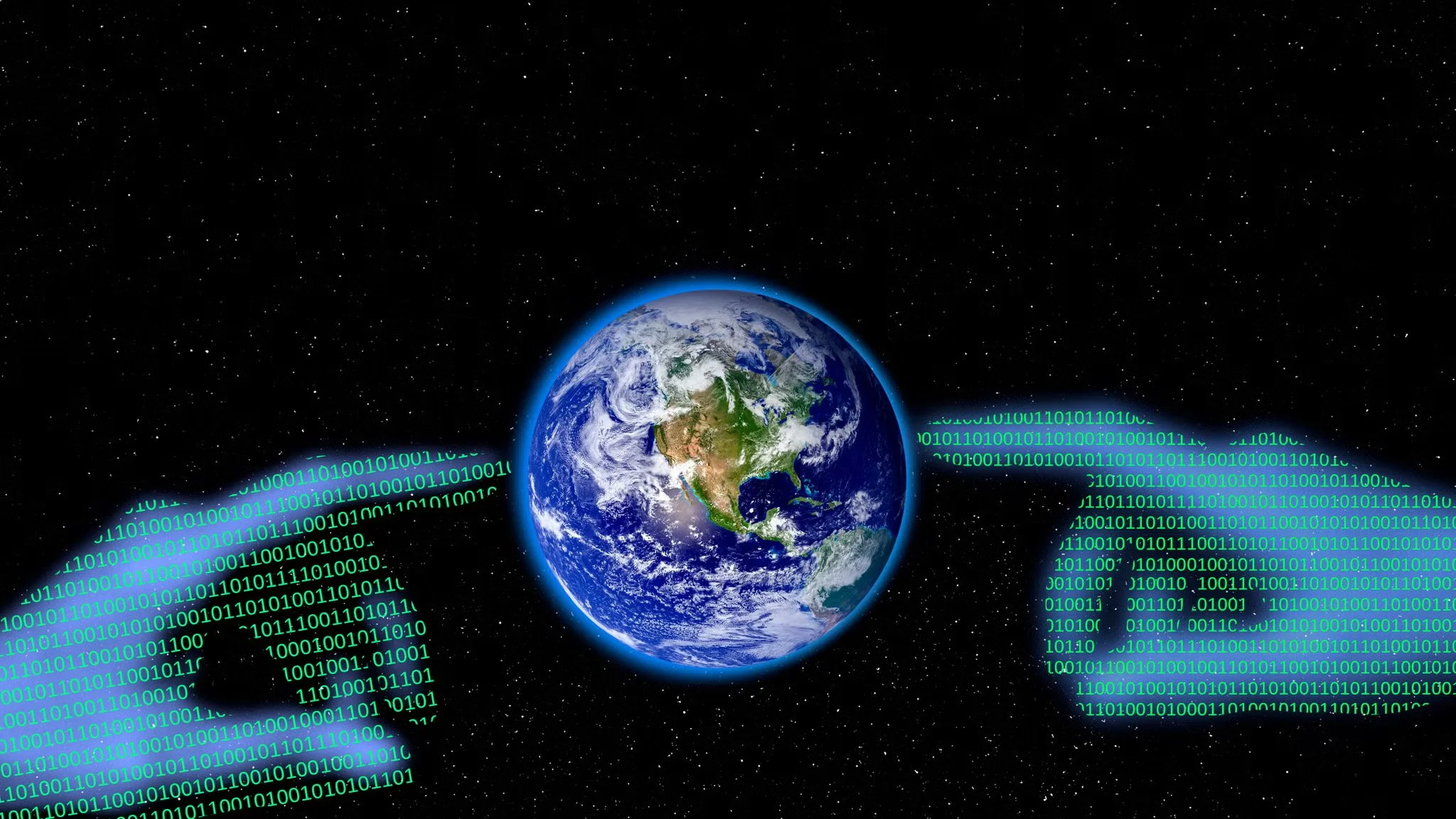
The theory suggests that Earth may possess a form of consciousness, influencing the fate of all life through interconnected systems, as proposed by the Gaiacephalos hypothesis and related concepts.
Overview of the Theory
The idea that Earth could be conscious is rooted in the Gaiacephalos hypothesis, which builds on the earlier Gaia hypothesis proposed by James Lovelock. This theory posits that Earth functions as a single, self-regulating organism, where its various systems (biosphere, atmosphere, oceans, and geology) work together to maintain conditions suitable for life. The Gaiacephalos hypothesis extends this idea by suggesting that Earth might develop a planetary brain, potentially enhanced by artificial intelligence, which could lead to a form of collective consciousness.
Origins
Developed in the 1970s by British chemist James Lovelock and American microbiologist Lynn Margulis, the concept was named after Gaia, the ancient Greek goddess of the Earth.
How It Works: Planetary Homeostasis
At its core, the hypothesis suggests that life does not simply adapt to a static Earth; instead, life itself helps shape and maintain its environment.
Cybernetic Feedback: Biological processes regulate global factors like ocean salinity, oxygen levels in the atmosphere, and global temperatures.
Thermodynamic Disequilibrium: Without the constant influence of living organisms, Earth's atmosphere would likely degrade into a chemically stable but dead state (similar to Mars or Venus).
Key Concepts
Planetary Intelligence: Researchers have explored the concept of "planetary intelligence," which refers to the collective knowledge and cognition of an entire planet. This idea suggests that the interactions among living organisms and their environments could create a vast, invisible intelligence that influences global conditions.
Interconnected Systems: The theory emphasizes the importance of interconnected systems, such as underground networks of fungi, which can communicate and adapt to environmental changes. This collective behavior may contribute to a form of cognitive activity on a planetary scale.
Implications for Humanity: Understanding Earth as a conscious entity could reshape our approach to environmental issues. It encourages a communal response to global challenges, such as climate change, by recognizing that human actions significantly impact the planet's health.
The Gaia hypothesis (or Gaia theory) proposes that Earth's living organisms interact with their inorganic surroundings to form a single, self-regulating complex system. This system actively maintains the physical and chemical conditions—such as surface temperature and atmospheric composition—necessary to sustain life.
Scientific Reception
While the idea of a conscious Earth may seem far-fetched, it invites deeper consideration of how life and intelligence might manifest on a planetary scale. The theory challenges traditional views of intelligence, suggesting that it can exist beyond individual organisms and may be reflected in the complex interactions of Earth's systems.
In summary, the theory that Planet Earth is conscious and that its "mind" shapes the fate of all life presents a provocative perspective on our relationship with the environment, urging us to reconsider how we interact with our planet and its ecosystems.